


 German
 English
 French
 Spanish
 Portuguese
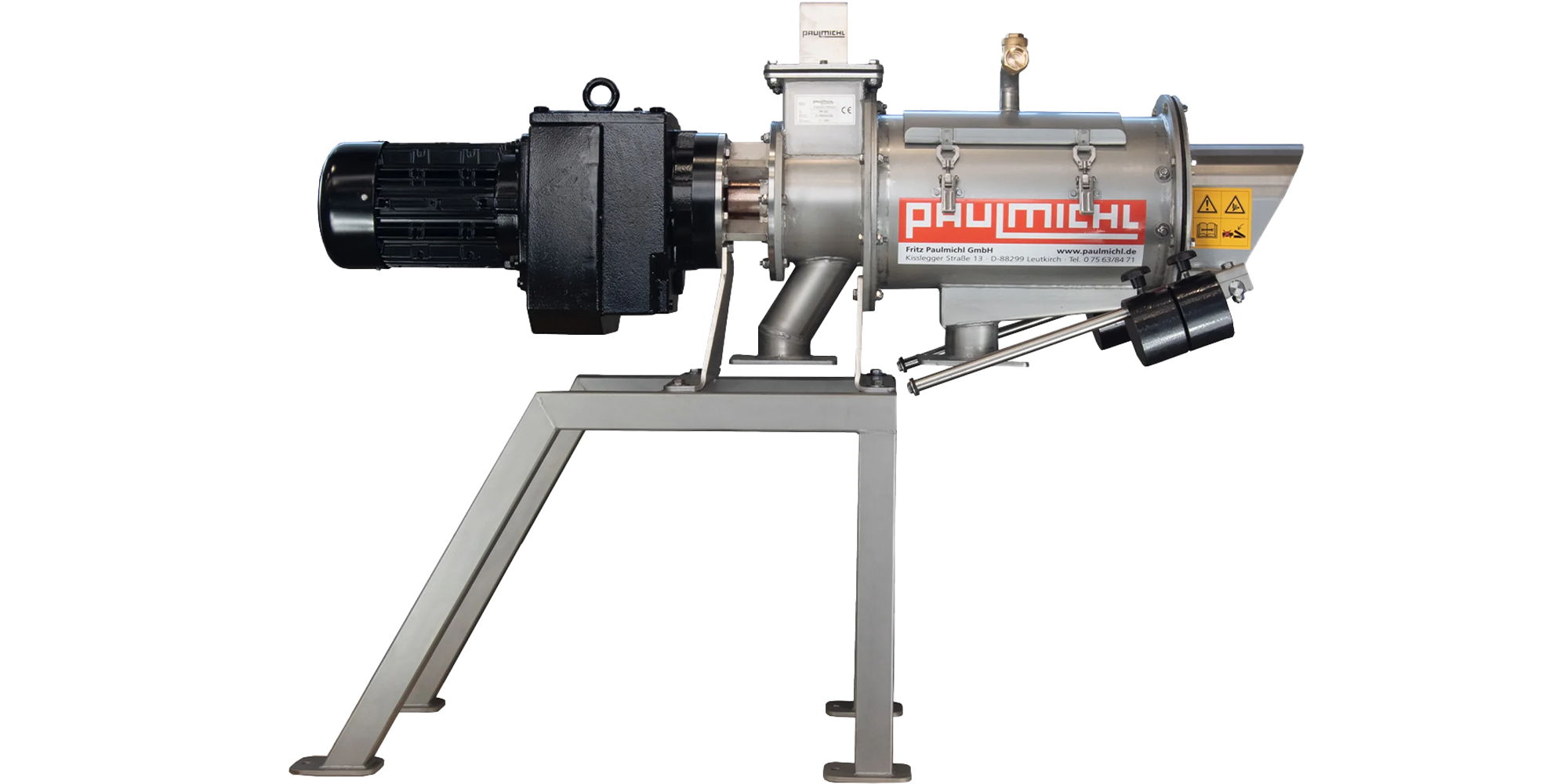
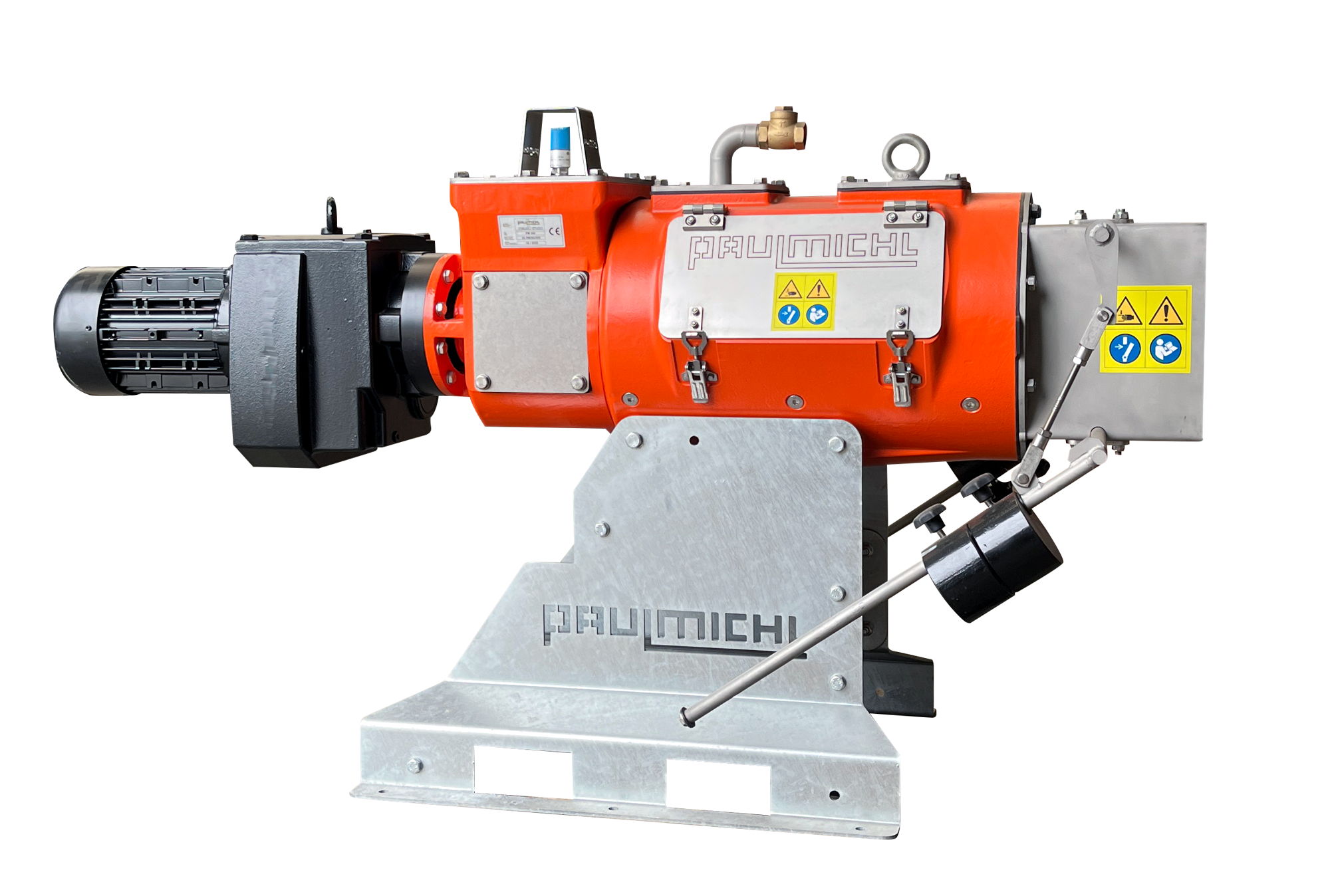
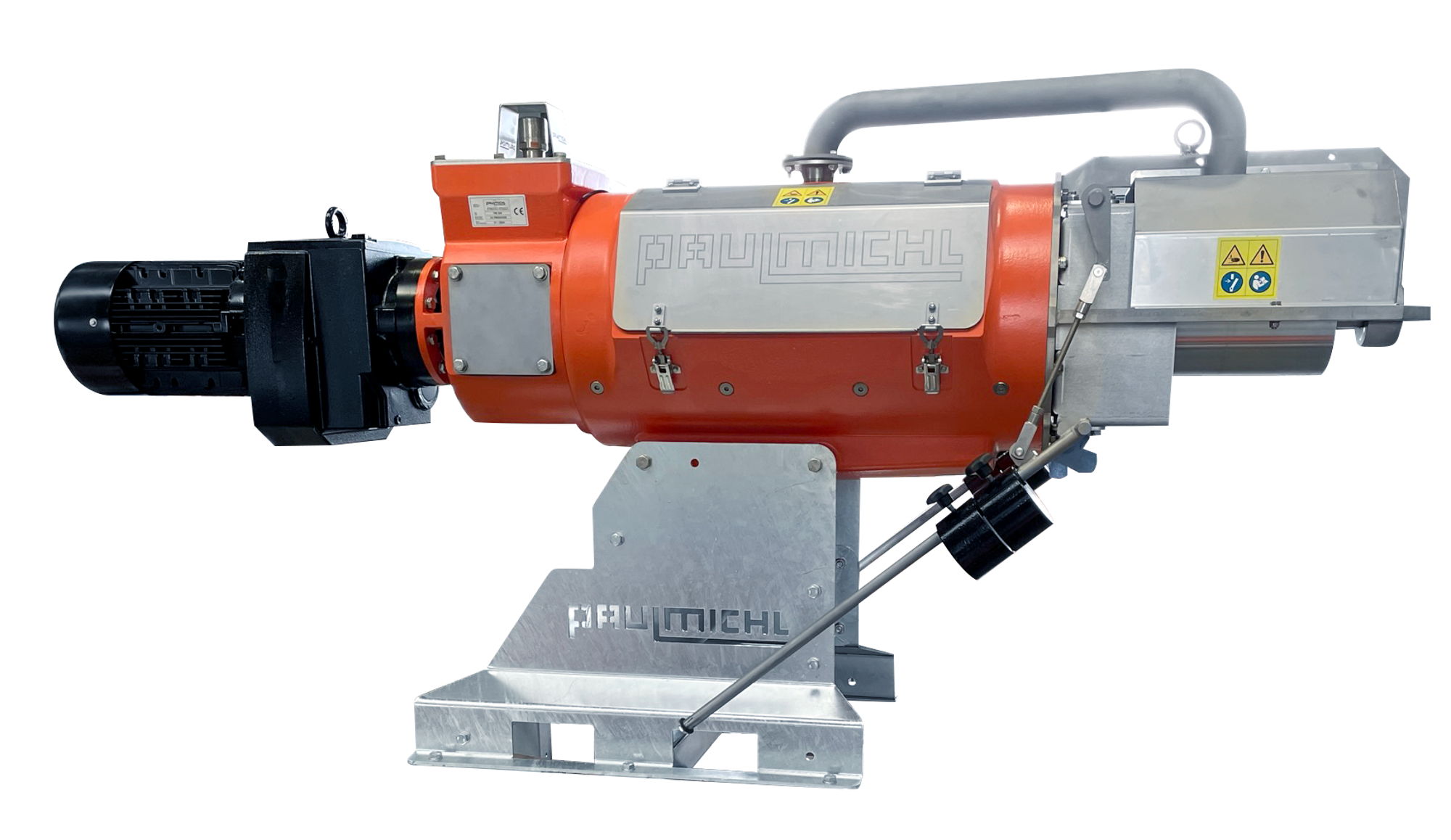
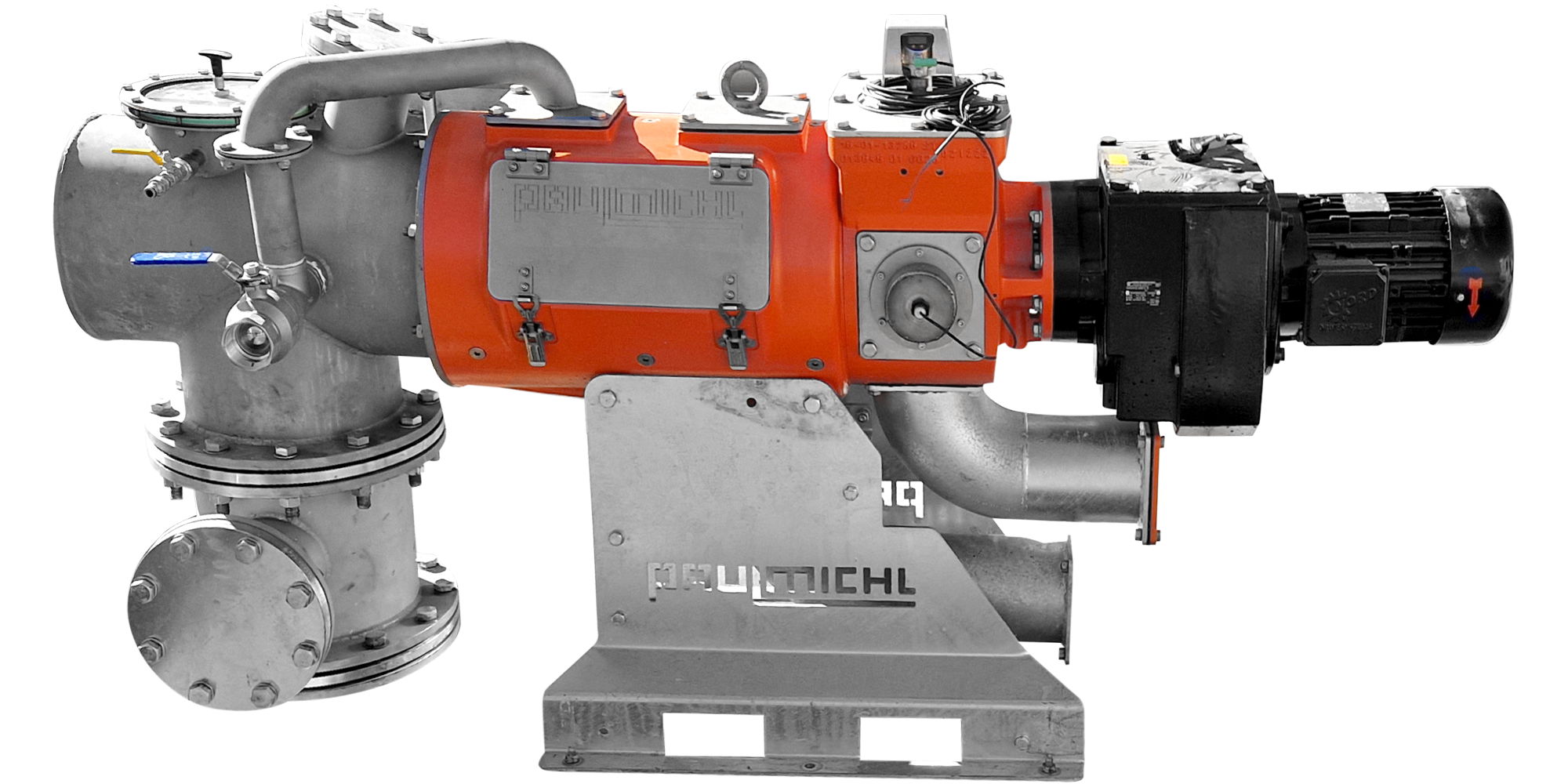
A slurry separator can be a sensible investment for farmers, helping to improve profitability and environmental protection. At Paulmichl, you will find five powerful separators with many expansion options to ensure that your new slurry separator meets the requirements of your farm.

Effective separation.
What is a slurry separator?
The principle of separating slurry is briefly explained: a slurry separator separates the solid and liquid substances from the medium to be separated. The result is separated slurry solids and thin slurry. Raw slurry usually has a dry matter content (DM content) of between 6 and 10%. Separation with a Paulmichl slurry separator can increase the DM content of the separated slurry solids to up to 32%. Our separators are also used in biogas plants to separate the solid and liquid components of the substrate.
Why separate slurry?
Separating slurry involves separating the slurry into liquid and solid substances, both of which can be utilised effectively on the farm:
The thin slurry that remains after separation is rich in fast-acting nitrogen. These nutrients are extremely valuable for fertilisation. By separating the slurry, the thin phase is absorbed more quickly into the soil and leaves less feed contamination on the field.
The solids that are separated during the separation process can either be finely spread on the field, delivered to biogas plants or used as bedding.

The versatile application possibilities of slurry separators bring many advantages to farmers, arable farmers and biogas plant operators.
- Improvement of the nutrient balance and more efficient fertilisation
- Slurry as a substitute for mineral fertiliser
- Less feed contamination and burns due to more free-flowing thin slurry
- Reduction in storage volume, application rates and transport costs
- Reduction in mixing costs
If you would like to know how you can optimise the benefits for your farm, please contact us and we will be happy to advise you.
Slurry separator in use -
Milchviehbetrieb Müller.
Curious about how our Paulmichl slurry separator is used on the farm? Mario Müller from the Müller dairy farm takes you to his farm and shows you how slurry separation works:

 By activating the video function on this website, data is automatically transmitted to YouTube. This data may be stored outside the European Union under lower data protection regulations.
Finding the right slurry separator
Choosing the right slurry separator depends on several factors. To ensure that the separator is optimally suited to the requirements of your business, the throughput capacity, medium and type of application must be precisely matched.
Our separators are suitable for agricultural businesses, contractors, biogas plants, the food industry and waste recycling plants. They can be individually adapted – stationary or mobile, with different screen baskets and dry matter contents.
Important criteria when selecting a slurry separator
Throughput capacity: How many cubic metres of manure or substrate need to be processed per hour? The capacity should be appropriate for the size of the operation and the daily volume.
Dry matter content (DM content): The higher the DM content in the solid matter, the drier, more storable and more versatile the material is. We adapt the screen basket to the medium, such as pig manure, cattle manure or biogas substrate.
Type of use: stationary or mobile: Depending on the operational structure, the separator can be permanently installed or used as a mobile unit. For contract businesses, we offer powerful, mobile separators with a flexible range of applications.
Maintenance and service: Regular maintenance ensures reliable operation. Our service team is available at any time to answer questions, provide spare parts or make adjustments.
Objective of separation: Do you want to improve flowability, reduce storage space or process solids as bedding or substrate for the biogas plant? The objective determines the appropriate separator configuration.
Get an overview of our separators for manure and biogas here or let our experts advise you individually on which separator is right for your business.
Advantages Advantages
Advantages of our slurry separators
Costs and subsidies
Slurry separators can be an investment, but the benefits mentioned above can pay for themselves in the long term. In some federal states, there are also subsidy programmes for the purchase of slurry separators or for biogas plants.
contact form
Write us a message.